
Why You Keep Overthinking Everything: The Fear Behind an Overactive Mind
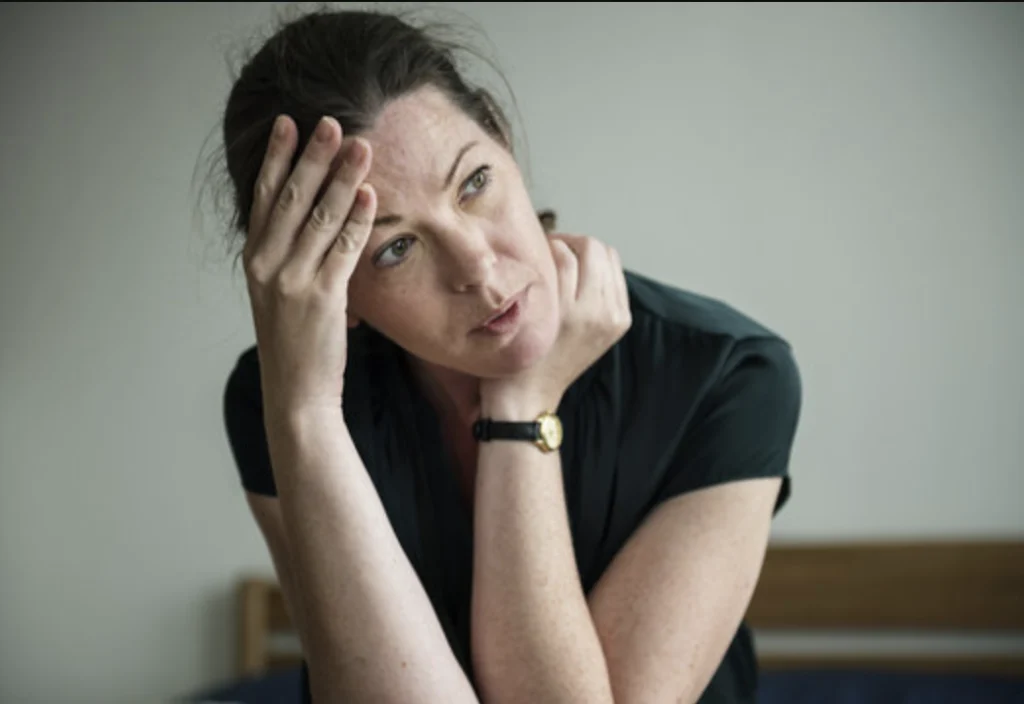
It’s late. You’re tired, but your mind won’t slow down.
You’re replaying a conversation, analyzing tomorrow’s decision, and imagining everything that could go wrong.
What if overthinking isn’t actually the problem? What if it’s a symptom of something deeper?
Sometimes an overactive mind is working hard to protect an anxious heart.
What’s Really Behind Overthinking?
We often treat overthinking as a personality trait: “I’ve always been this way.”
But sometimes, overthinking is an attempt to create safety and certainty.
If you fear rejection, you may overanalyze conversations. If you’re afraid of disappointing people, you may rehearse what to say. And if you fear making the wrong decision, you may endlessly weigh your options.
The problem is that complete certainty is rarely possible. The harder you try to find it, the more anxious and exhausted you can become.
Wisdom brings clarity. Fear creates spirals.
Wisdom helps you consider the information, make a thoughtful decision, and move forward. Fear keeps asking, “What if I missed something? What if I’m wrong? What if everything goes badly?”
When your thoughts keep circling without bringing clarity, try asking a deeper question:
What am I trying to protect myself from?
You may discover a fear of rejection, failure, disappointment, or losing control. Identifying that fear helps you address what’s underneath the thoughts instead of endlessly analyzing them.
Overthinking, Anxiety, and Philippians 4
Philippians 4:6–8 points us toward prayer, bringing our concerns to God, and intentionally focusing on what is true.
Fear pulls us into what might happen. Renewing our minds means recognizing when fear is shaping the story and returning to what we actually know.
Sometimes the truth is simply, “I don’t know how this person feels about me,” or “I don’t know how this decision will turn out.”
And alongside that uncertainty, we can hold onto another truth: God is still with us in it.
Faith doesn’t mean pretending fear isn’t there. It means learning not to let fear control our thoughts and responses.
Three Questions to Ask When You’re Overthinking
The next time your thoughts begin to spiral, pause and ask yourself:
1. What do I actually know?
Separate facts from assumptions. “She hasn’t responded to my text” is a fact. “She must be upset with me” is an assumption.
2. What am I afraid will happen?
Name the fear underneath your thoughts. Are you afraid of rejection, failure, disappointing someone, or making the wrong decision? Get curious instead of immediately trying to fix the feeling.
3. What is mine to do right now?
Maybe you need to have a conversation, make a decision, or wait for more information. Or perhaps you’ve already done what you can, and you’re trying to control an outcome that isn’t yours to control.
Sometimes the next healthy step isn’t thinking harder. It’s releasing what you cannot control.
Is This Wisdom—or Is This Fear?
When you catch yourself going around in circles, ask:
Is this wisdom—or is this fear?
If your thinking is helping you understand the situation and move toward a healthy decision, it may be useful. But if you’re endlessly replaying, predicting, and trying to eliminate every possible risk, fear may be driving the spiral.
You don’t have to figure out every possible outcome to be okay. You don’t need perfect certainty before moving forward, and you don’t have to believe every fearful thought your mind produces.
You can pause, return to what is true, and trust God with what you don’t know.
Sometimes freedom begins when you recognize that your mind is trying to protect you—but you don’t have to follow it into the spiral.
Take the Next Step
If you’re a Christian woman who’s tired of living with fear, anxiety, and overwhelm, True You Ministries is about going deeper than simply managing symptoms. We want to understand what’s happening underneath them so real healing can begin.